How it goes
From the call to the dry structure
Most of the damage from water is not the water itself. It is the forty-eight hours it spends soaking into drywall, subfloor and framing while someone decides what to do.
Standing water out first, with truck-mounted or portable extraction depending on the volume and the access.
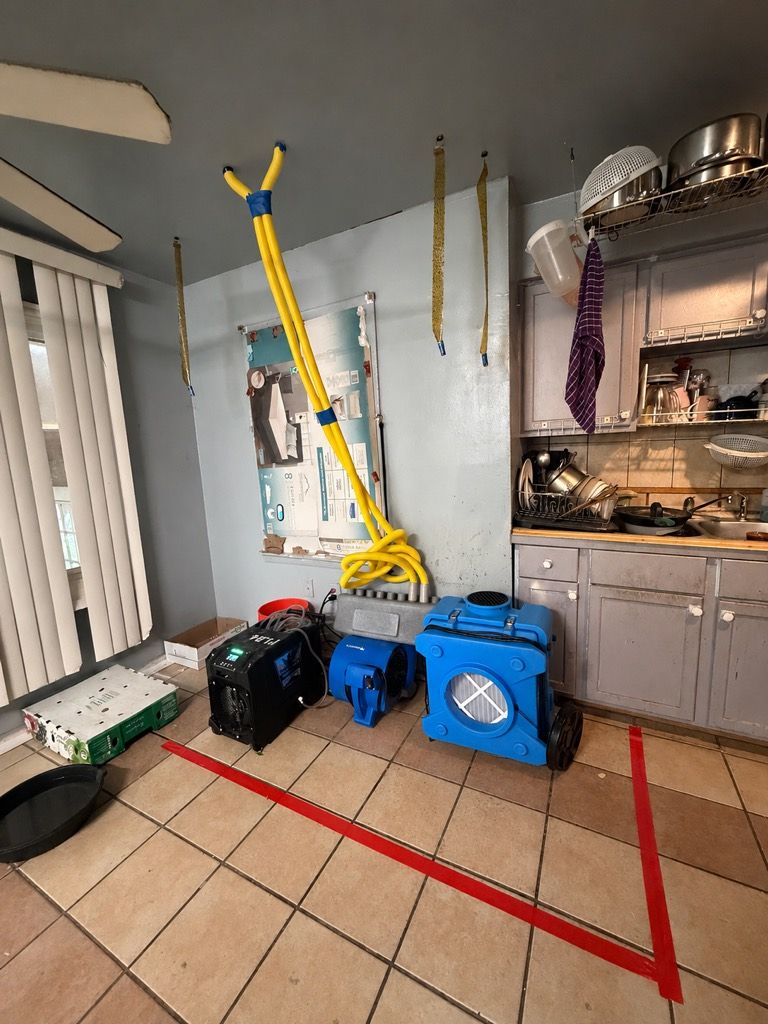
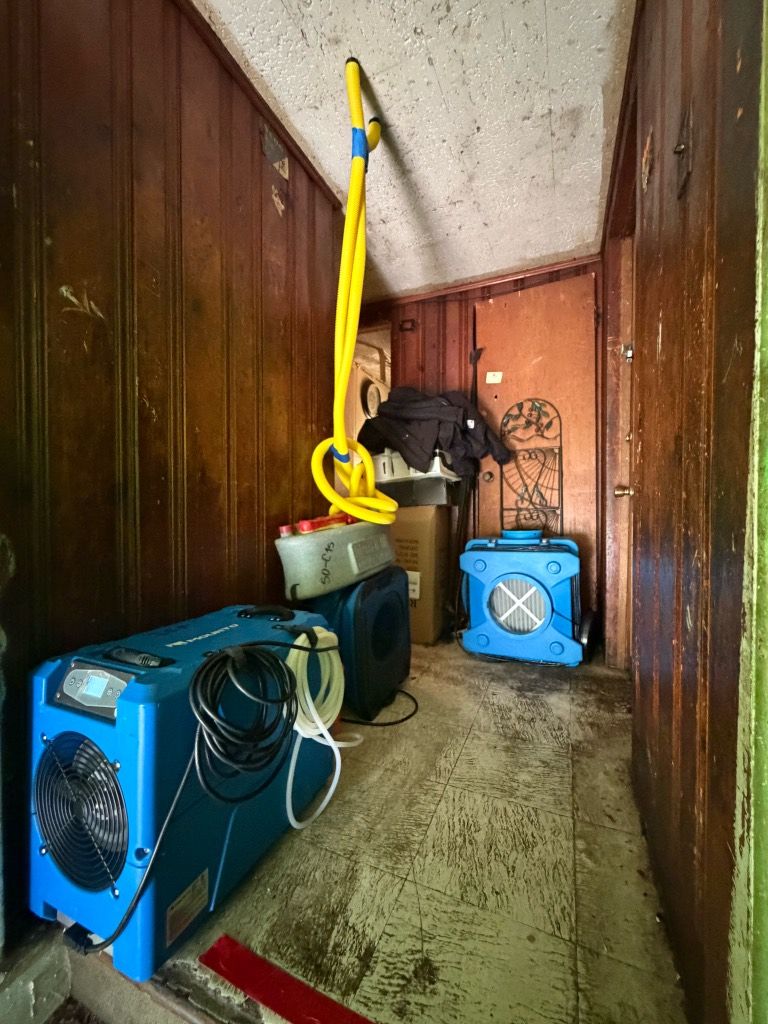
Air movers and dehumidifiers placed by the size of the affected area, not by what fits in the van.
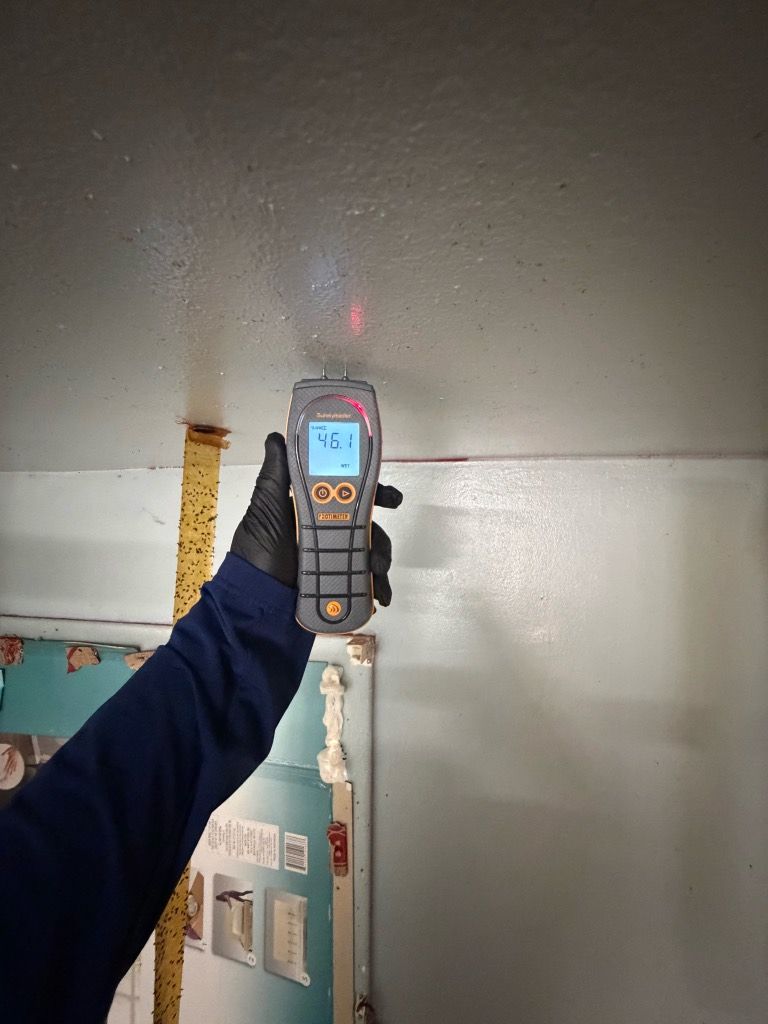
Moisture logged every day in every room until the structure reads dry. You see the numbers, not just the invoice.
The category changes what can be dried and saved and what has to come out. We tell you which one you have before anything is removed.
Hardwood and subfloor often survive if drying starts early. Soaked carpet pad and wet insulation almost never do.
A floor can feel dry on top and hold water underneath. The meter is what says when drying stops, not the calendar.
Growth usually begins between 24 and 48 hours. Drying fast is cheaper than remediating later.
Common questions
What people ask about water damage
How fast can you get here?
We call you back in under 10 minutes, day or night, and tell you straight away how long until a crew reaches you. If we cannot get there fast enough to be useful, we say so.
How long does drying take?
Most residential jobs run three to five days. The equipment stays until the meter says the structure is dry, not until a fixed number of days has passed.
Does my insurance cover this?
Sudden and accidental water damage is covered by most homeowner policies. Gradual leaks often are not. We document everything your insurer will ask for and hand you the file. We do not file or negotiate claims.
Do I have to leave the house?
Usually not. The equipment is loud and the house gets warm, but most families stay. If the water is contaminated we will tell you to move out of the affected rooms.
The clock started when the water did.
Every hour it sits, it moves further into the walls and the floor. Call now, or send the details and we call you.
(888) 844-7862